
Comprehensive Guide to Construction Financing in Canada Mortgages
Embarking on a construction project in Canada can be an exciting endeavor, whether you’re building your dream home or undertaking a large-scale commercial development. However, securing the right construction financing is crucial, as it provides the funding needed to cover the various costs associated with building or renovating a property. From land acquisition and materials to labor and permits, construction financing offers the resources necessary to bring a project to life.
Navigating the complexities of construction financing in Canada can be challenging, as there are many factors to consider, including loan types, interest rates, and lender requirements. To ensure a successful project, understanding the ins and outs of construction financing—from initial application to final repayment—is essential.
In this comprehensive guide, we’ll explore everything you need to know about construction financing in Canada, including various mortgage options, application requirements, and strategies for managing your budget effectively. Whether you’re a first-time builder or an experienced developer, this guide will equip you with valuable insights and practical tips to help you secure the financing you need for your construction project in Canada.
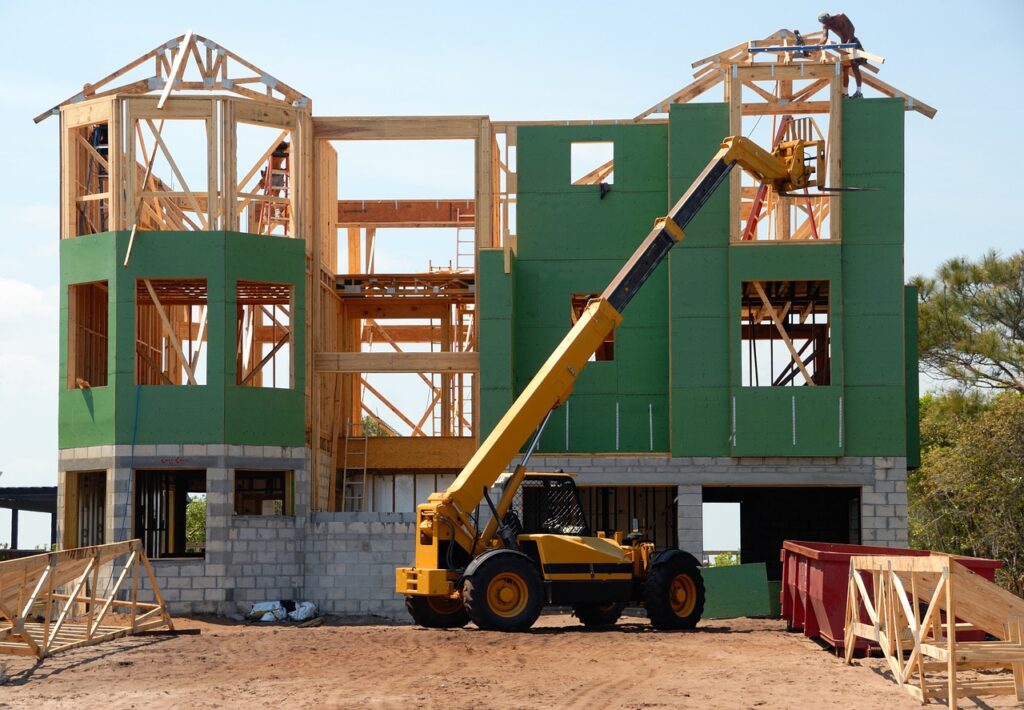
What is Construction Financing?
Key Features of Construction Financing in Canada:
- Progressive Drawdowns: It is disbursed in stages, known as drawdowns, as the construction project progresses. Funds are released at key milestones throughout the construction process, such as completion of the foundation, framing, and completion of the project.
- Interest-Only Payments: During the construction phase, borrowers are typically required to make interest-only payments on the amount drawn down from the construction loan. This allows borrowers to manage their cash flow during the construction process without having to make full principal and interest payments.
- Short-Term Loan: It is a short-term loan with a term typically ranging from six months to two years. Once the construction is complete, borrowers must either pay off the construction loan in full or refinance it into a traditional mortgage.
- Higher Interest Rates: It typically comes with higher interest rates compared to traditional mortgages to reflect the increased risk associated with construction projects. However, interest rates may be fixed or variable, depending on the lender and loan terms.
- Loan-to-Value Ratio: Lenders typically require a lower loan-to-value (LTV) ratio for construction financing compared to traditional mortgages. The LTV ratio represents the ratio of the loan amount to the appraised value of the property. Lenders may only finance a portion of the construction costs, with borrowers required to provide a down payment for the remaining amount.
Types of Construction Financing in Canada:
Construction-to-Permanent Loan
Construction-only Loan
Renovation Financing
How to Qualify for Construction Financing in Canada:
- Creditworthiness: Lenders evaluate the borrower's credit history, credit score, and financial stability to determine their creditworthiness. Borrowers with a strong credit history and high credit score are more likely to qualify for construction financing.
- Construction Plans and Budget: Borrowers must provide detailed construction plans and a comprehensive budget for the project, including estimated costs for materials, labor, and other expenses. Lenders review the construction plans and budget to assess the feasibility of the project and determine the loan amount.
- Down Payment: Borrowers are typically required to provide a down payment towards the construction project. The down payment requirement varies depending on the lender and loan program but is typically between 10% to 20% of the total project cost.
- Collateral: It is secured by the property being built or renovated. Lenders may require additional collateral, such as personal guarantees or other assets, to secure the loan.
- Builder and Contractor Qualifications: Lenders may require borrowers to work with licensed and qualified builders or contractors for the construction project. Borrowers must provide documentation to verify the builder's qualifications and experience.

 by Bhasha Infotech